
 Tiếng Việt


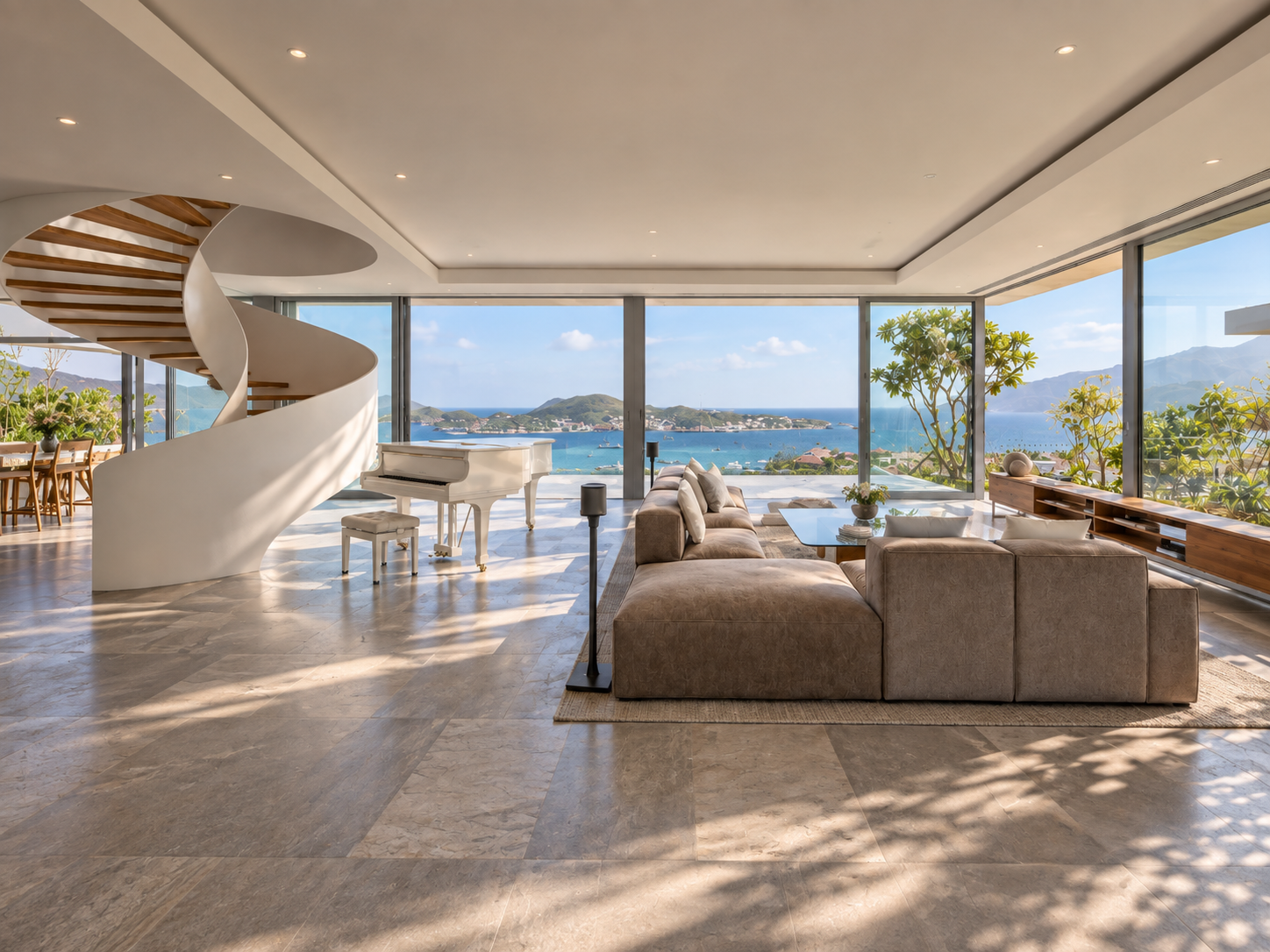
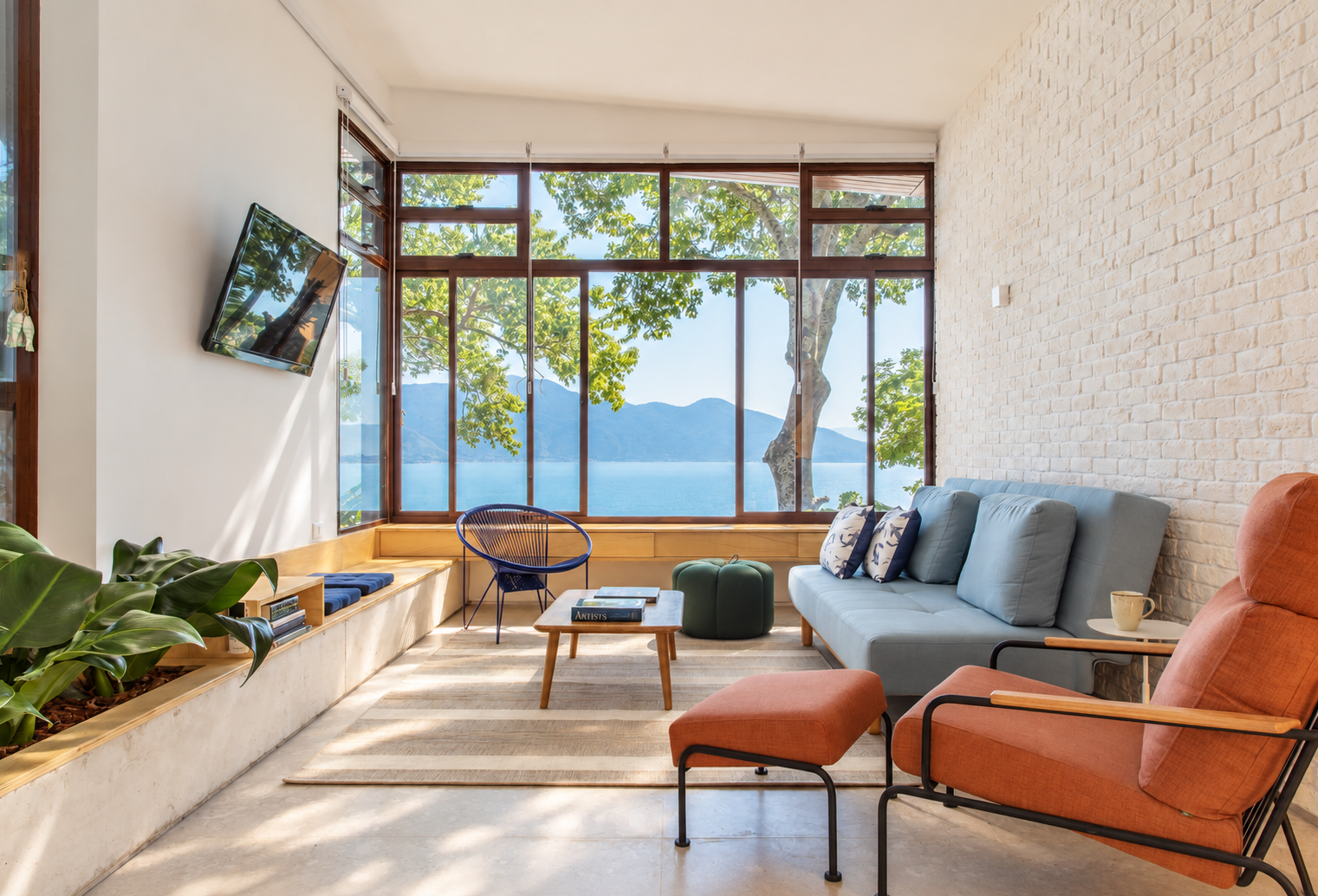
Coastal homes offer unique architectural appeal, but they also place higher demands on building materials.
High humidity, salt-laden air, temperature fluctuations and condensation can gradually affect metal components over time. For ceiling systems, this issue deserves even greater attention because the framing is concealed above the finished ceiling and is difficult to inspect once the building is in use.
That is why choosing a ceiling framing system for coastal homes should not begin with only one question:
“How thick is the frame?”
A more important question is:
“What material is the frame made from, and is that material suitable for the actual environment?”
This is also why ProMETAL developed its premium product range using BlueScope AM50 coated steel — a higher-grade material choice for projects that require stronger long-term protection against demanding environmental conditions.
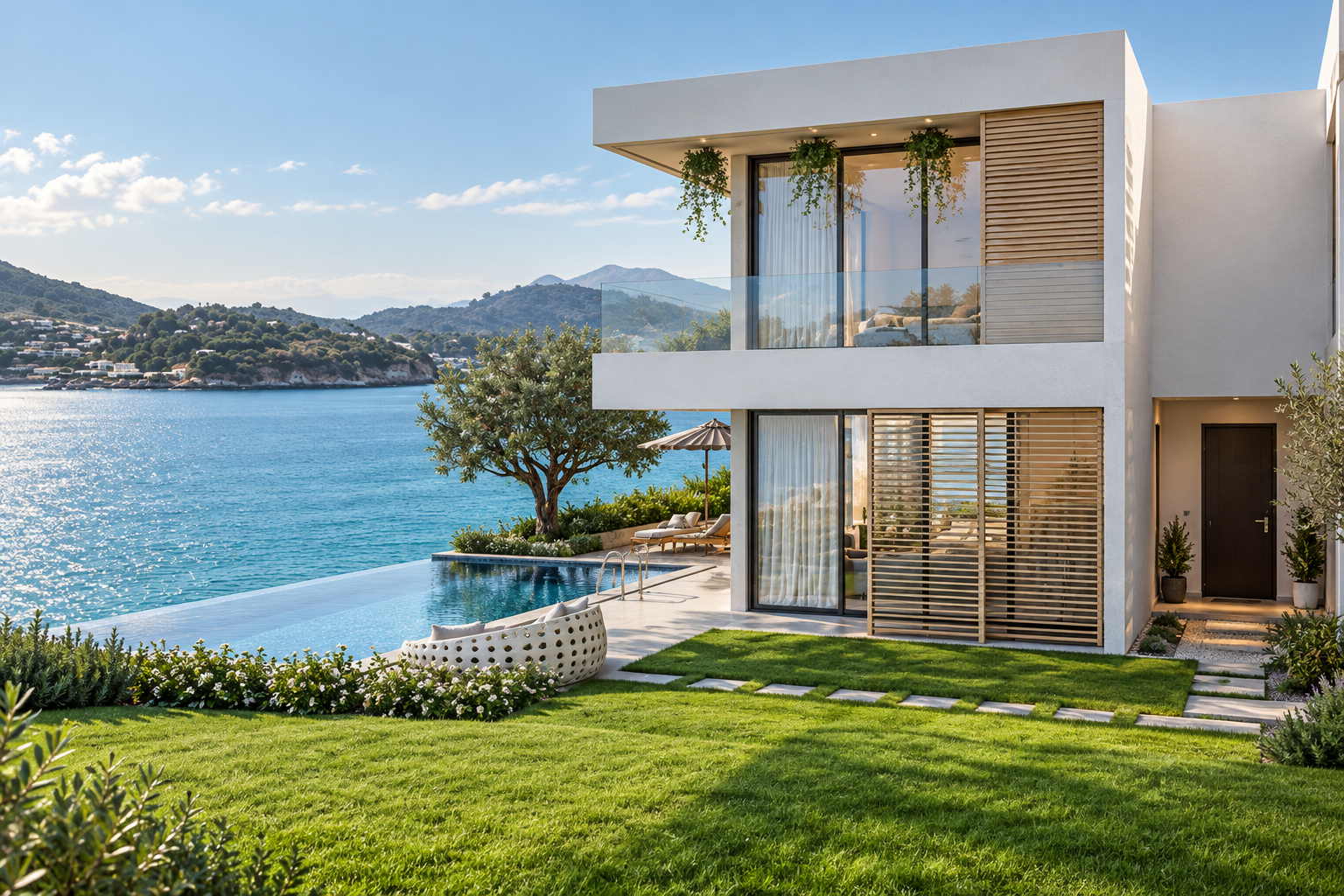
I. What Makes Coastal Environments More Demanding for Ceiling Framing?
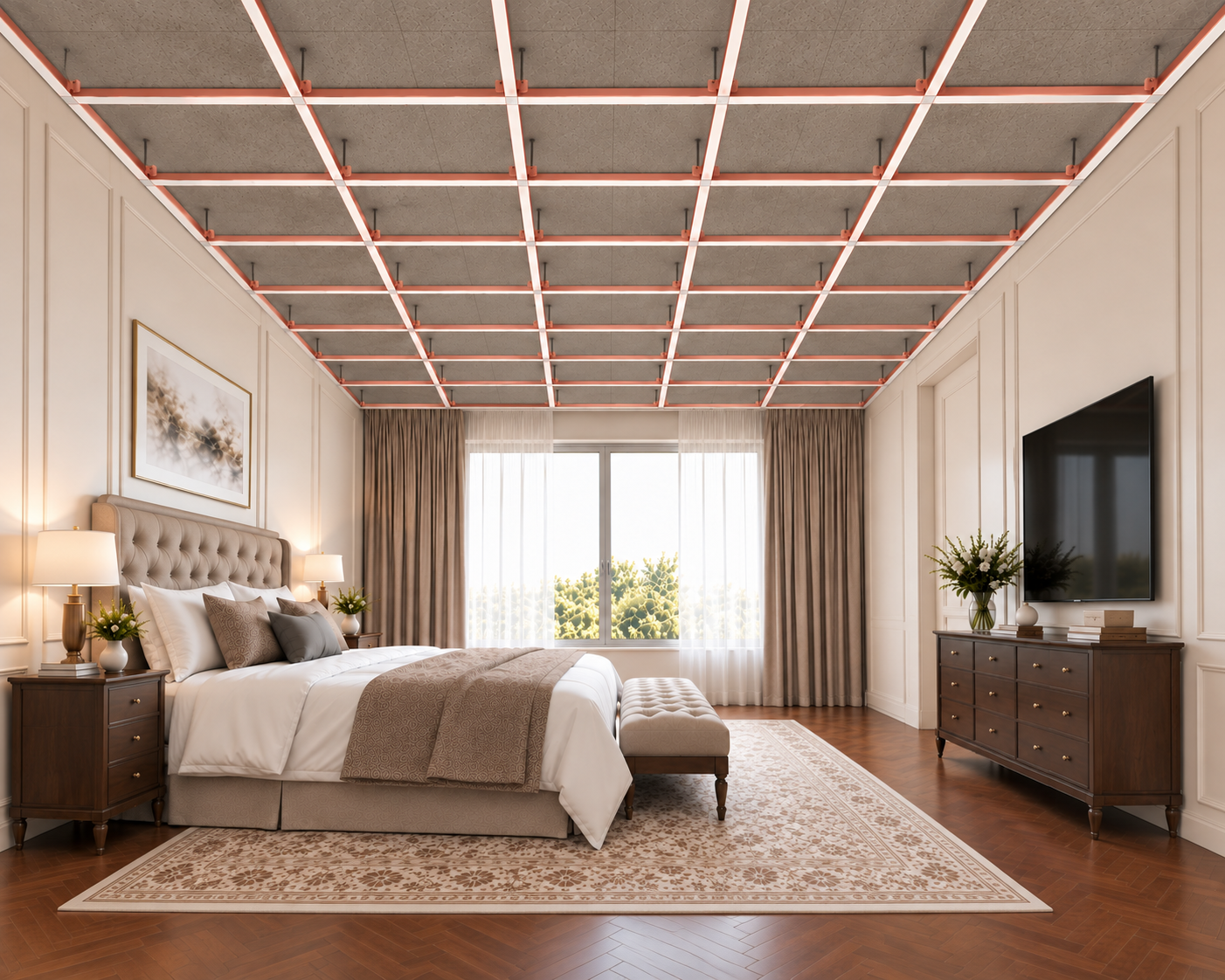
Ceiling framing is installed above the finished ceiling, where environmental conditions can differ significantly from the occupied space below.
Common conditions may include:
- High relative humidity.
- Salt carried inland by sea breeze.
- Limited ventilation within the ceiling void.
- Temperature differences between the roof and the interior.
- Condensation around chilled pipes.
- Potential water leakage from roofing or building services.
When moisture and salt are present at the same time, corrosion risks can increase.
For this reason, in coastal buildings, the long-term durability of ceiling framing should be considered from the material selection stage, rather than only after visible deterioration appears.
The key question is not simply whether a frame is thick enough.
It is whether the frame material, protective coating and overall system are suitable for the environment in which they will be used.
II. A Common Mistake: Choosing Ceiling Framing Based Only on Thickness
Thickness is an important specification, but it does not represent the entire quality of a ceiling frame.
Frame thickness is closely related to factors such as:
- Section stiffness.
- Load capacity.
- Framing spacing.
- Profile geometry.
- Overall ceiling system configuration.
However, long-term performance in humid and salt-affected environments depends on additional factors, including:
- Quality of the base steel.
- Type of metallic coating.
- Surface quality.
- Protection at cut edges and punched holes.
- Fabrication quality.
- Installation conditions.
- Actual service environment.
In other words:
A thicker ceiling frame is not automatically the better choice if its base material and protective coating are less suitable for the environment.
This is especially important for coastal homes, resorts, hotels and other buildings exposed to elevated humidity or salt-laden air.
III. What Is the Real Difference Between Standard and Premium Ceiling Framing?
When customers look at a finished ceiling frame, they usually see only the final formed profile.
But one of the most important differences begins much earlier — with the steel coil used as the raw material.
Ceiling framing products in the market can be manufactured from different types of coated steel, including:
- Zinc-coated steel.
- Aluminium-zinc coated steel.
- Aluminium-zinc-magnesium coated steel.
This means that not all ceiling framing systems use the same metallic coating technology.
For ProMETAL’s premium range, the use of BlueScope AM50 coated steel represents an upgrade at the raw-material level, designed for projects that require a higher standard of material performance and greater resistance to demanding environmental conditions.
The distinction is therefore not only about the final dimensions of the frame.
It starts with the steel itself.
IV. ProMETAL Ceiling Framing: The Difference Starts with BlueScope AM50 Coated Steel
AM refers to an Aluminium-Zinc-Magnesium metallic coating system.
Unlike conventional aluminium-zinc coatings, AM coating technology incorporates magnesium into the coating structure.
This additional component is important because the protective performance of coated steel is not determined by coating mass alone. The composition and corrosion mechanism of the coating also matter.
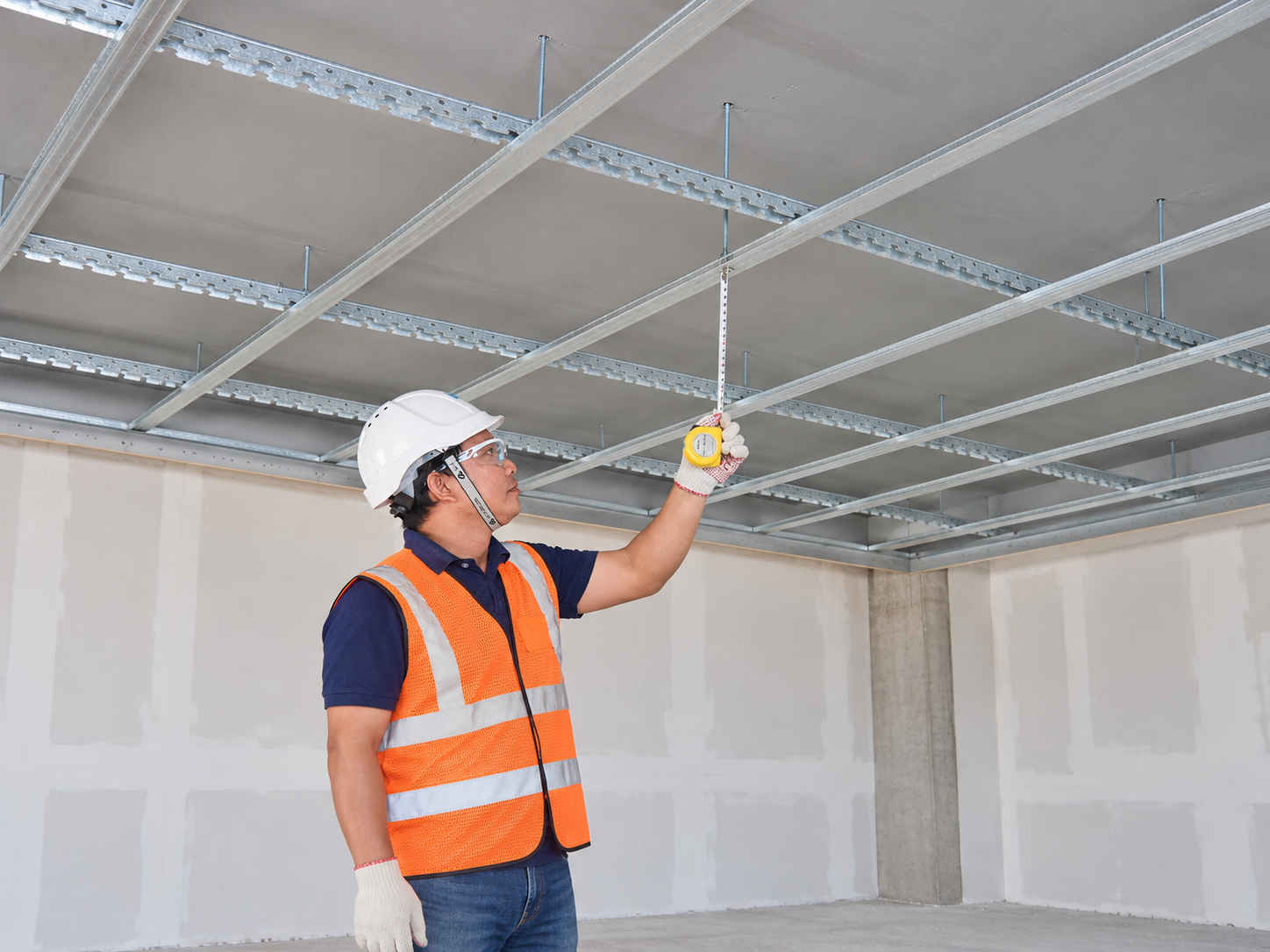
For ceiling framing, this is particularly relevant because steel coils must undergo several fabrication stages before becoming finished products:
slitting → roll forming → punching → cutting → transportation → fastening → installation
During these stages, the material is no longer a perfectly untouched coated surface.
Cut edges, punched areas and minor scratches are difficult to avoid completely during fabrication and installation.
Therefore, for a premium ceiling framing system, the question should not stop at:
“How thick is the steel?”
It should also ask:
“How effectively is the steel substrate protected after the material has been fabricated into the final framing profile?”
This is where advanced coating technology becomes particularly valuable.
V. Why Is AM50 Particularly Relevant for Coastal Homes?
Coastal environments expose ceiling framing to more challenging conditions than many typical inland locations.
The value of AM50 coated steel can be understood through three main areas.
1. Protection of the Steel Surface
The metallic coating forms a protective barrier between the steel substrate and the surrounding environment.
This barrier is the first line of defence against moisture and corrosive elements.
For coastal applications, where humidity and salt exposure may be higher, maintaining this protective layer becomes especially important.
2. Improved Protection at Cut Edges and Scratched Areas
Cut edges deserve particular attention in ceiling framing systems.
The steel must be slit, punched and cut before and during installation. As a result, small areas of exposed steel substrate are unavoidable.
The magnesium component in AM coating technology is intended to improve the protective behaviour of the coating around these vulnerable areas.
This is especially relevant for framing products because they contain many:
- Cut edges.
- Punched holes.
- Fastener locations.
- Areas subject to minor scratches during handling and installation.
For coastal projects, this added protection is more meaningful than evaluating only the visible surface of the frame.
3. Supporting Longer-Term Material Performance
The value of an advanced coating should not be judged only when the product is new.
The more important question is how effectively the coating continues to protect the underlying steel during service.
This becomes particularly relevant for ceiling framing because the system is concealed above the finished ceiling, where routine inspection and replacement are more difficult.
For this reason, investing in higher-quality raw material from the beginning can help reduce long-term material risks in demanding environments.
This is also part of the ProMETAL approach: improving product value from the inside out, starting with the quality of the raw material.
VI. Good Raw Material Alone Is Not Enough
BlueScope AM50 steel is an important material advantage, but it should not be interpreted to mean that coating technology alone determines the durability of an entire ceiling system.
A complete ceiling framing system also depends on:
- Frame thickness.
- Profile geometry.
- Framing spacing.
- Applied load.
- Suspension system.
- Accessories.
- Fabrication quality.
- Installation workmanship.
- Actual building conditions.
Most importantly, corrosion-resistant coating does not replace proper waterproofing.
If the roof leaks, plumbing systems fail or condensation is allowed to remain inside the ceiling void, the source of moisture still needs to be resolved.
A durable ceiling system always requires a combination of:
appropriate material + correct design + proper installation + controlled environmental conditions
Material quality helps improve protection, but it is only one part of the complete system.
VII. What Should You Check When Choosing Ceiling Framing for a Coastal Home?
Instead of asking only about price and thickness, homeowners, contractors and specifiers should consider several factors together.
| Criteria | What to Check |
| Steel Source | Manufacturer and traceability |
| Coating technology | Zinc, Al-Zn or Al-Zn-Mg |
| Thickness and profile | Suitable for the required load and system configuration |
| Fabrication quality | Straight profiles, consistent geometry and surface quality |
| Environmental conditions | Humidity, salt exposure, ventilation and condensation risk |
| System compatibility | Framing, accessories and installation method |
A suitable ceiling frame is not necessarily the one with the greatest thickness.
It is the one whose material, geometry and system configuration are appropriate for the actual project conditions.
VIII. Why Raw Material Quality Matters More in Coastal Projects
In normal indoor environments, corrosion may not be the first criterion considered when selecting ceiling framing.
In coastal environments, the situation is different.
The ceiling system may remain concealed for many years, while the framing is continuously exposed to the conditions within the ceiling void.
If humidity remains high or salt contamination is present, material quality becomes increasingly important.
For this reason, the raw material should be assessed alongside:
- Structural requirements.
- Frame geometry.
- Installation spacing.
- Surface protection.
- Cut-edge protection.
- Fabrication consistency.
This is why premium framing systems should not be evaluated solely by visible characteristics.
Two framing profiles can look similar from the outside while being manufactured from very different steel and coating technologies.
The difference may only become meaningful after years of service.
IX. Frequently Asked Questions
1. Does a thicker ceiling frame always mean better durability?
No.
Thickness mainly affects mechanical performance. Long-term durability also depends on steel quality, coating type, fabrication quality and the actual service environment.
2. Is AM50 a common coating in the ceiling framing market?
No.
AZ coatings and zinc-coated steel are currently more common in the industry. Many major branded ceiling framing products are publicly specified with AZ50 coatings.
AM is a newer Al-Zn-Mg coating technology that BlueScope introduced in Vietnam after its AZ coating technology.
3. Why does ProMETAL use AM50 for its premium range?
Because this range is positioned as a premium product line, where quality is not determined only by frame thickness or profile geometry, but starts from the grade of the raw material.
BlueScope AM50 coated steel is selected to enhance material protection, particularly at areas affected by fabrication such as cut edges and scratches.
4. If AM50 is used, is waterproofing still necessary?
Yes.
Metallic coating technology and building waterproofing are two different matters.
Roofing, piping and any potential sources of water leakage still need to be properly treated and controlled.
X. ProMETAL – Value Starts with the Raw Material
For coastal homes, the durability of a ceiling system should not be determined by only one question:
“How thick is this frame?”
A proper selection needs to look deeper:
What steel is used? What coating does it have? How is it fabricated? And is it truly suitable for the project environment?
That is why the ProMETAL range uses BlueScope AM50 coated steel — a premium raw material choice intended for projects with higher requirements for quality and long-term durability.
For building components that will remain concealed inside a structure for many years, the best quality is the quality selected from the beginning — before users can ever see a problem.
ProMETAL – Different from the Raw Material. Built to Last from Within.
ProMETAL – Better Raw Materials | Better Products
Hotline: 0911 674 779
Website: ProMETAL.com.vn
Email: sales@ProMETAL.com.vn