
 Tiếng Việt
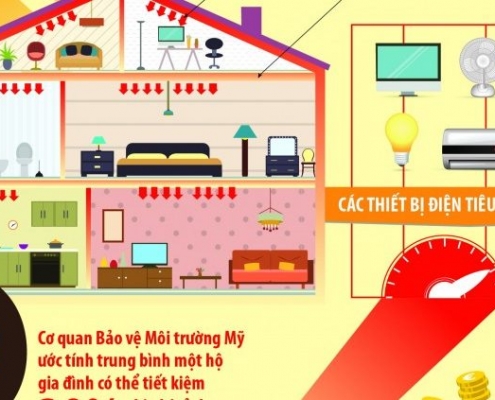
During the summer, when the weather is hot and stuffy and temperatures rise, cooling down using regular electrical devices not only increases electricity costs but also harms the environment.
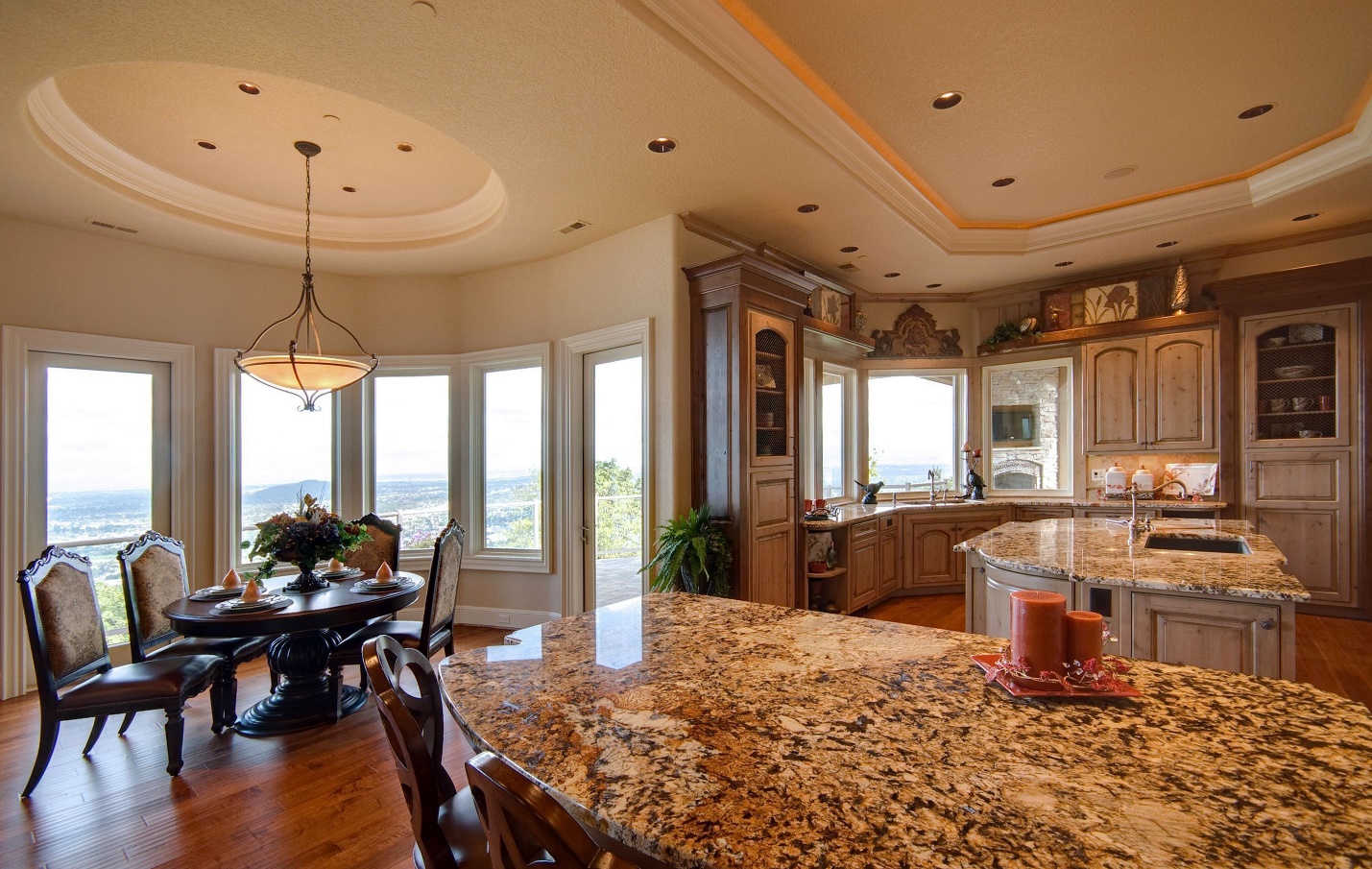
Solving Heat Problems for Homes from the Ground Up:
To save energy and reduce indoor heat radiation in your home, you need to limit heat radiation and conduction by adding an insulation layer to your house. – Address heat radiation from the roof and sun-exposed walls:
- Paint color: Light-colored paint helps limit heat absorption from sunlight. However, avoid using warm tones that can cause discomfort during hot summer days.
- Limit the use of glass doors: Glass doors are the main cause of direct heat radiation entering your home, creating a greenhouse effect indoors. If your house already has glass doors and you don’t want to spend extra money replacing them, applying heat-resistant film on the glass surface is an easy and effective solution.
- Create artificial buffer spaces: Adding artificial buffer zones helps reduce the transmission of heat radiation from the outside into the house. Creating shading systems or climbing plants around balconies and corridors can also help. For attic areas, it is recommended to install insulation panels and gypsum ceilings, which are optimal solutions for thermal insulation and provide high aesthetics. For sun-exposed walls, such as west-facing walls, using insulated gypsum wall systems reinforced with an additional layer of mineral wool or glass wool will be effective.
– Using gypsum ceiling and wall systems combined with insulation and heat-resistant solutions helps limit heat transfer between rooms, maximizing energy savings when using cooling devices such as air conditioners and evaporative fans.
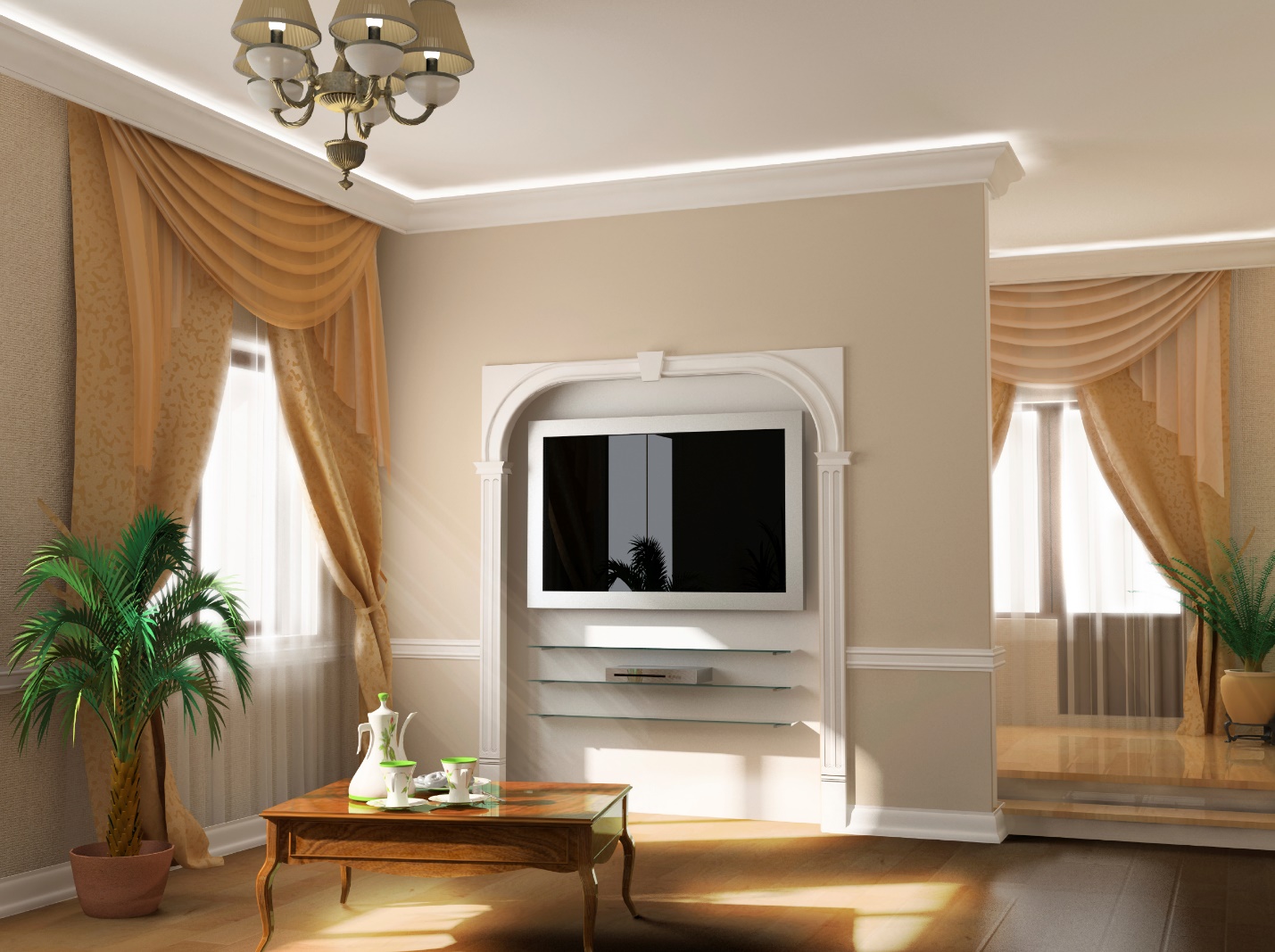
Some notes when preventing heat in townhouses:
1.Preventing heat for the roof:
– Install the ceiling so that there is a gap between the roof and the ceiling; the larger the gap, the more it reduces the amount of heat entering the house. Add ventilation holes or windows to help release hot air effectively and prevent stuffiness.
– Installing heat-resistant awnings is also highly effective in reducing roof heat.
2.Preventing heat for the walls:
– Install awnings for walls that receive direct sunlight from the South and West directions.
– Use heat-insulating paint to protect the wall surface.
3.Preventing heat around the house:
– Planting trees is also an excellent solution for cooling the house. However, this can be difficult in urban homes with limited space. An alternative is to grow or hang potted plants, especially climbing plants, which can help reduce heat, minimize the use of air conditioning, and lower energy consumption. For tube houses, use steel mesh frames attached to walls so that vines can grow and create shade.
– Planting trees or laying grass on concrete surfaces around the house also helps reduce heat absorption and reflection from surrounding areas into the house.
4. Allow air to circulate easily inside the house:
– Open doors and windows so that air can enter the house from one side and exit from the other, creating a continuous airflow that makes the house cooler. – Avoid placing tall furniture such as cabinets or wardrobes in front of doors or windows that block airflow.
– For windows, it’s best to install openings of various sizes depending on the type of house and ceiling height, ensuring optimal airflow through the home. Certain window designs with wide openings also enhance air circulation effectively.
5. Add ventilation holes:
– Houses in urban areas often trap heat, making indoor air stuffy. Installing ventilation ducts or vents connected directly to the roof or upper parts of the house helps heat escape quickly and improves airflow.
– Ventilation holes help prevent the accumulation of hot air inside, reducing indoor temperature. They also prevent heat buildup from outside radiating into the interior. – This is one of the simplest yet most effective methods to keep your home cool.
6. Arrange furniture for better airflow:
– Use furniture and decorations made from heat-resistant materials. – Place furniture in shaded areas, avoiding direct sunlight.
– Arrange furniture to keep pathways clear, allowing airflow and proper ventilation.
7. Choose energy-efficient electrical devices:
– Choose energy-efficient home appliances with high quality and power-saving functions.
– Turn off unused electrical devices when leaving the room.
– Place air conditioners in areas that don’t receive direct sunlight for the best cooling efficiency.
– For air conditioners, install them about 15cm from the ceiling for optimal air circulation. – Avoid setting the temperature too low — using around 26°C is both comfortable and saves electricity.